
Breaking Nation: A Civil War Podcast
When the political system of compromise that had served the United States for decades utterly and epically fails to deal with slavery at a national level, the mid-nineteenth century leaders of the nation and states must choose where their loyalties lie.
Will they save their way of life and solve the sins of cruel bondage before the land and its people are torn apart and shredded by violence and prejudice?
When Abraham Lincoln takes the oath of office as the sixteenth President on March 4, 1861, he faces a crisis unlike any other faced by his predecessors.
The country is on the brink of breaking as a nation…
Breaking Nation: A Civil War Podcast will take you on a revelatory and surprising journey through the years of the American Civil War, as if you had no idea how the events surrounding you would play out.
Recent Episodes

S2E1 – Little Napoleons

Interview with Chris Mowery

Interview with Robert Tracy McKenzie

S1E6 – The Island in the Harbor

S1E5 – Stars and Banners

S1E4 – A Political Free-For-All

Listen On


Recent Blog Posts
Lincoln’s Push for Unified Action in the Civil War
On January 27, 1862, President Abraham Lincoln issued General War Order No. 1, a directive that may seem like a footnote in Civil War history but carries significant strategic weight. The order called for a coordinated Union offensive, combining lan…
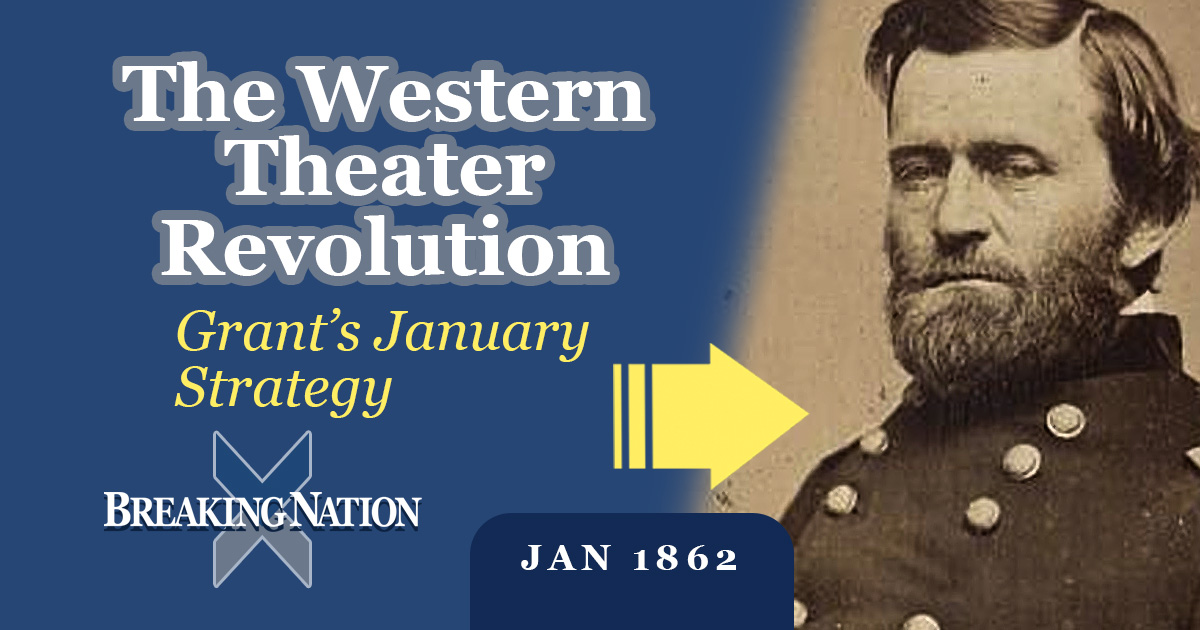
January 1862: When Grant Quietly Seized the Initiative
In January 1862, Ulysses S. Grant’s actions in Kentucky marked a quiet but decisive turning point in the Western Theater of the Civil War. While eastern newspapers fixated on George McClellan’s ponderous Army of the Potomac, Grant was do…
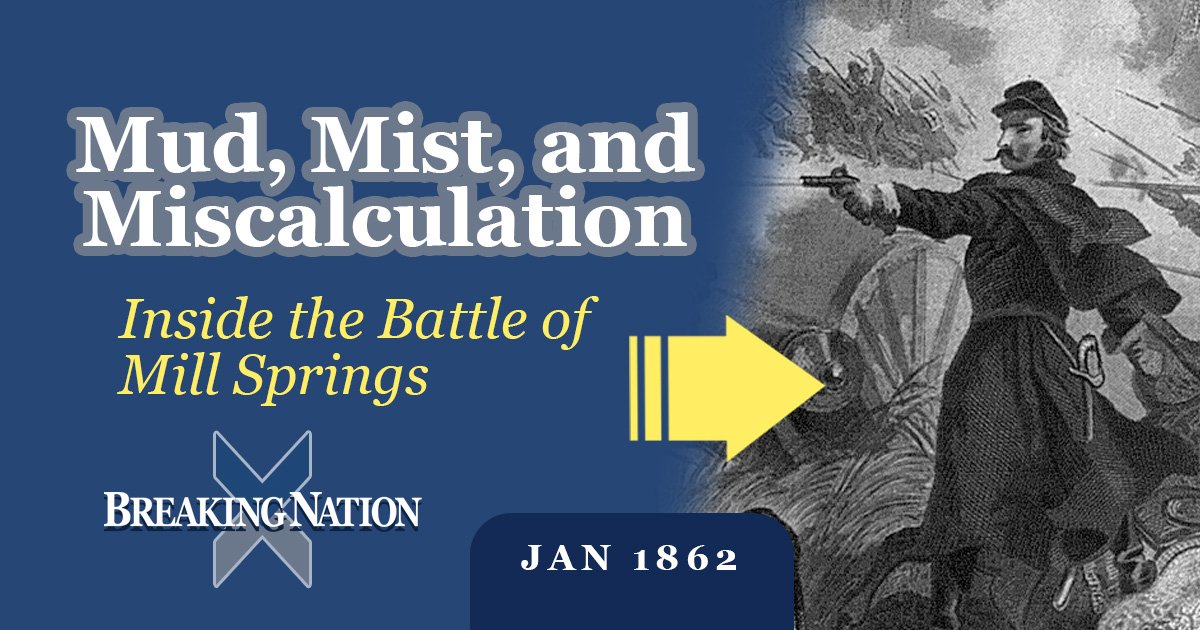
How Mill Springs Gave the North Hope in the Dark Winter of 1862
The Battle of Mill Springs, fought on January 19, 1862, occupies a modest place in popular Civil War memory, but its significance—especially at the time—was substantial. Coming in the dark early months of the war, when Union fortunes oft…